

Cities
Delhi, Mumbai, Bangalore, Patna, Lucknow, Jaipur, Pune
Gen Z
A sharp decode of how young Indians navigate independence, trust, travel and brand choices.
As Gen Z’s choices began shaping categories from travel to food, brands needed a sharper way to understand them.
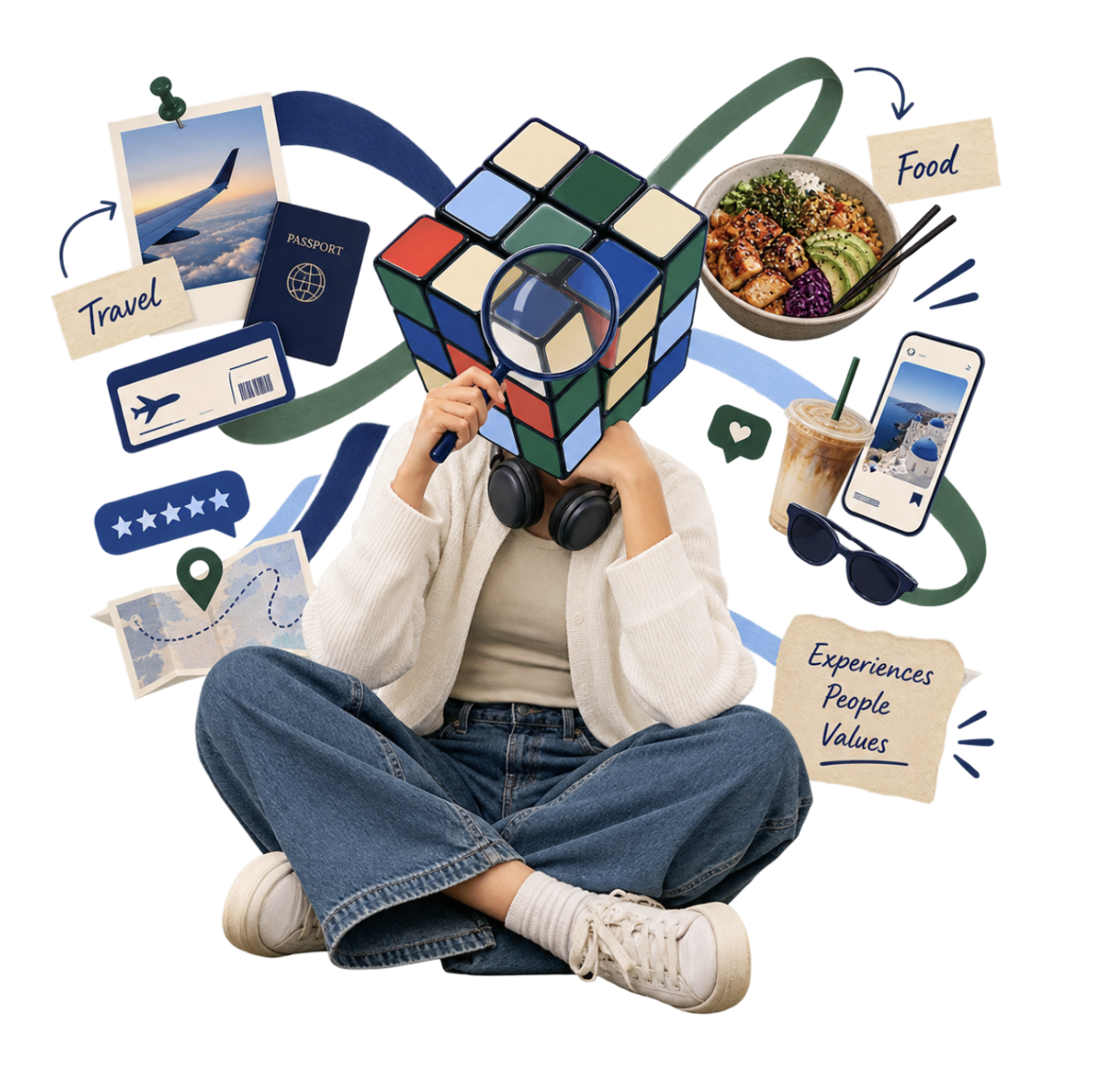
A cross-study consumer decoding diagnostic examining how Gen Z’s identity, choices and brand relationships were formed across social life, digital behaviour, travel planning and everyday consumption.

Delhi, Mumbai, Bangalore, Patna, Lucknow, Jaipur, Pune
Gen Z youth (metro and non-metro), college students, early professionals
Cross-study Gen Z consumer decoding
Travel · Fast food
Identity is actively constructed, not inherited; shaped and reshaped through what they post, follow and align with. Even offline self-discovery runs through a digital lens.
Gen Z pushes hard for financial, social, digital autonomy; but still seeks practical guidance, family involvement and negotiated freedoms alongside it.
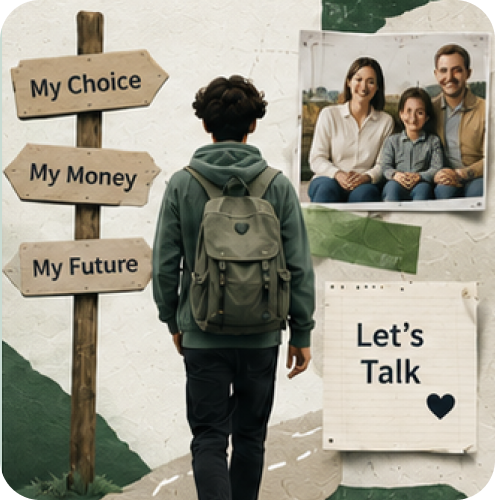
Being online isn’t a choice; it’s the operating system of their life, inseparable from peer life itself.

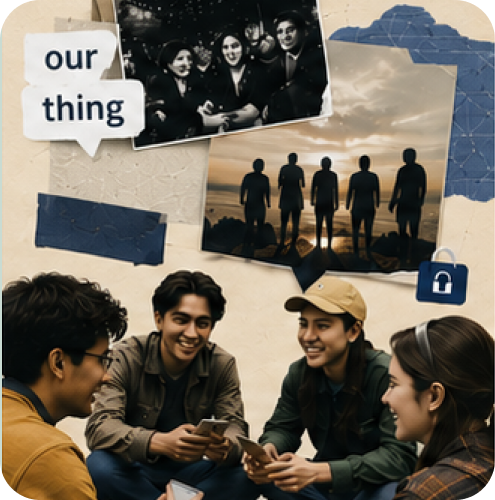
Engagement depends on whether something deepens the ‘we’ within the immediate peer group, not likes or reach. Peer and community trust consistently outweighs traditional authority.
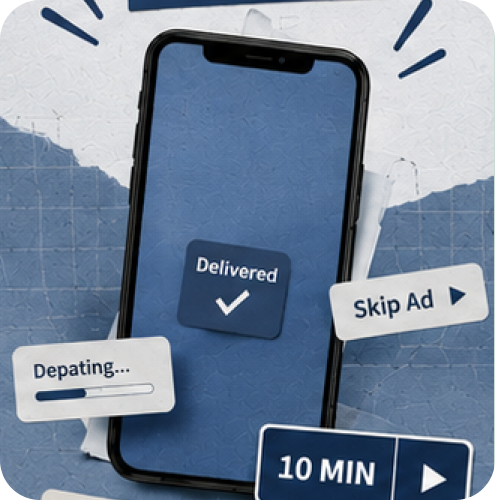
Tolerance for waiting has collapsed across content, service and gratification. Instant access is now hygiene, not delight; friction risks losing them entirely.
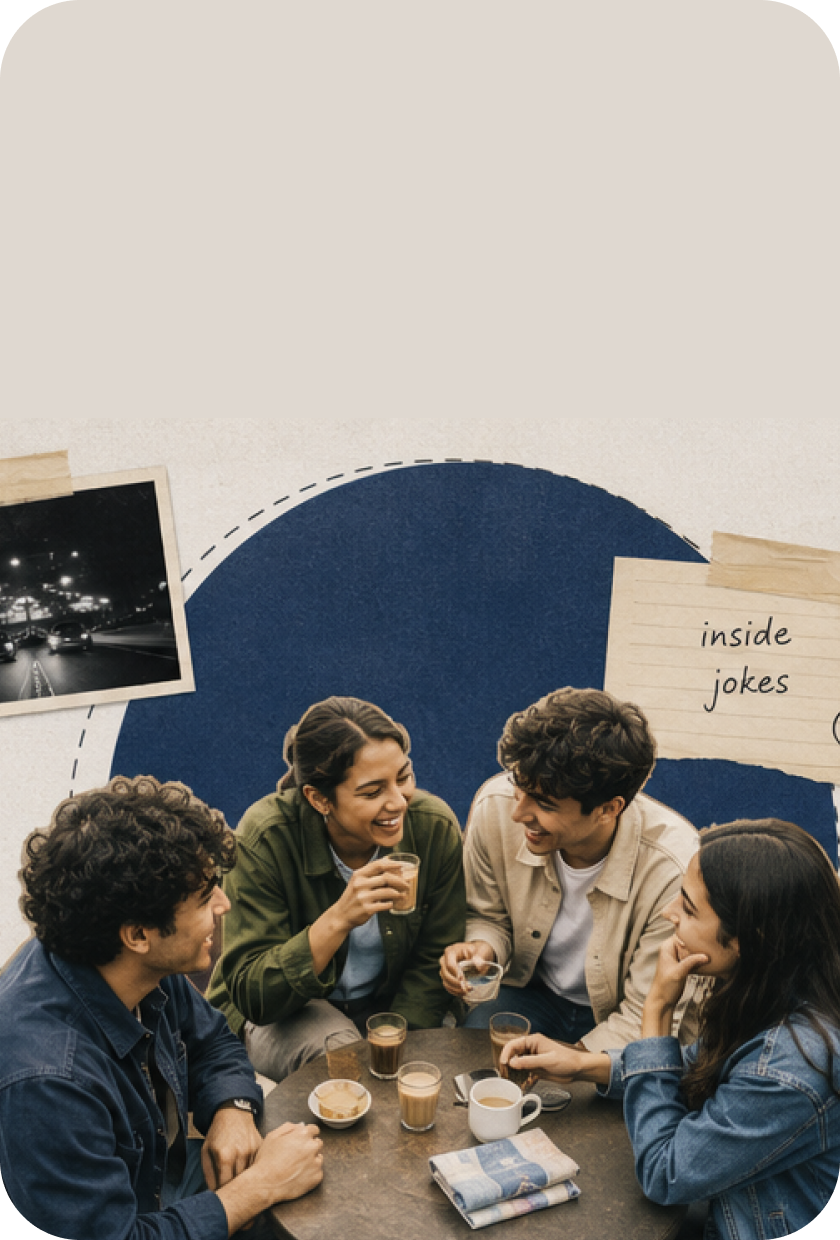
Tight-knit core groups anchored in shared rituals (chai, late-night drives, inside jokes) act as identity markers, layered with wider digital networking.
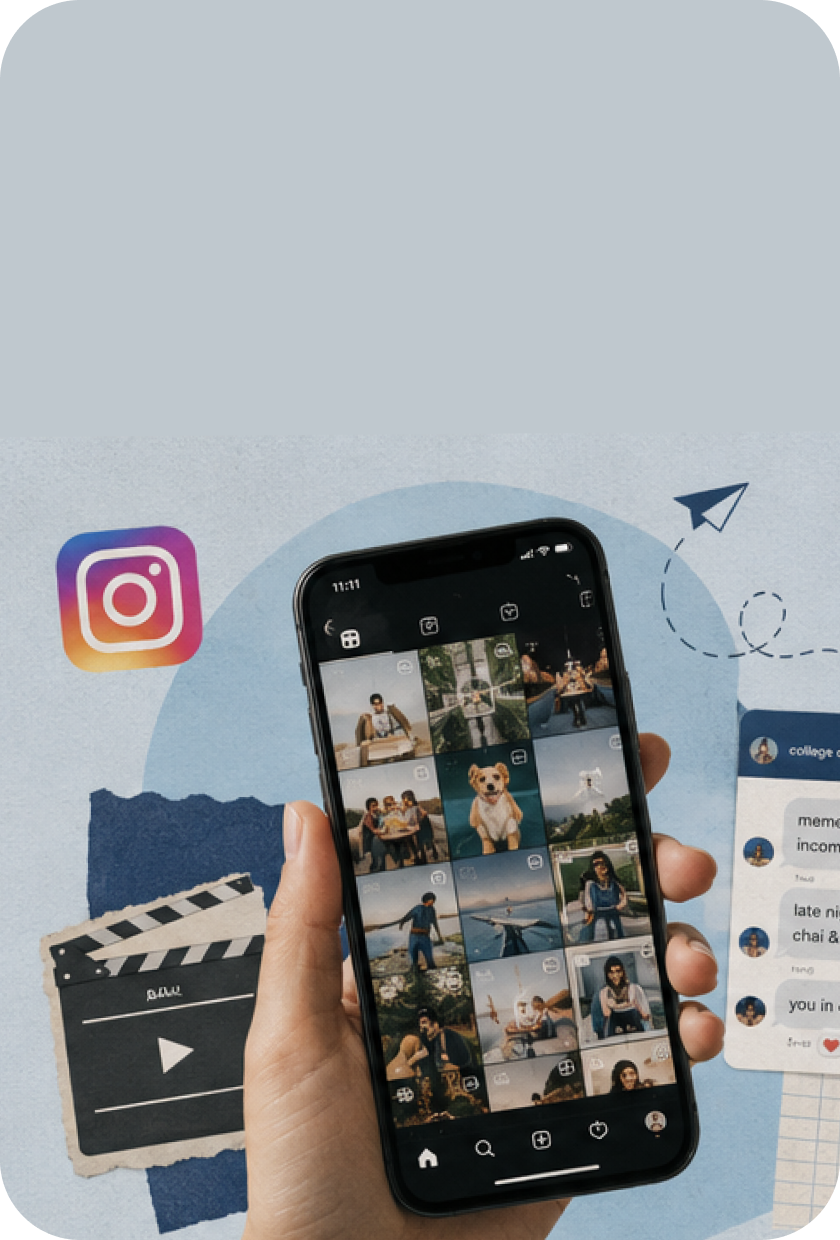
Instagram is the default stage for trends and self-presentation; YouTube serves deeper, intentional engagement. Groups replicate offline banter online. Raw, relatable content outperforms polish.
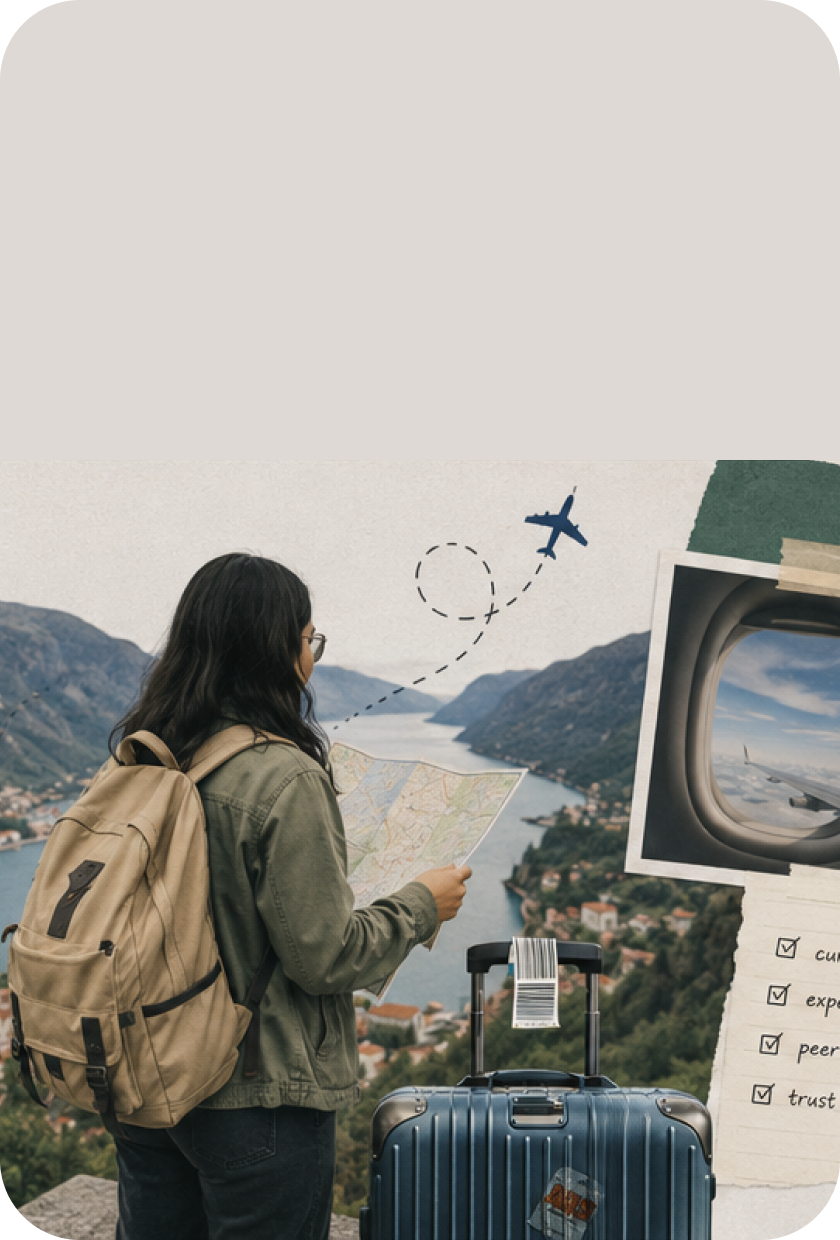
Travel is identity work, not just logistics: self-reward, self-discovery and social currency at once. Planning is curiosity-led, spending is selective, and trust builds through peer proof.
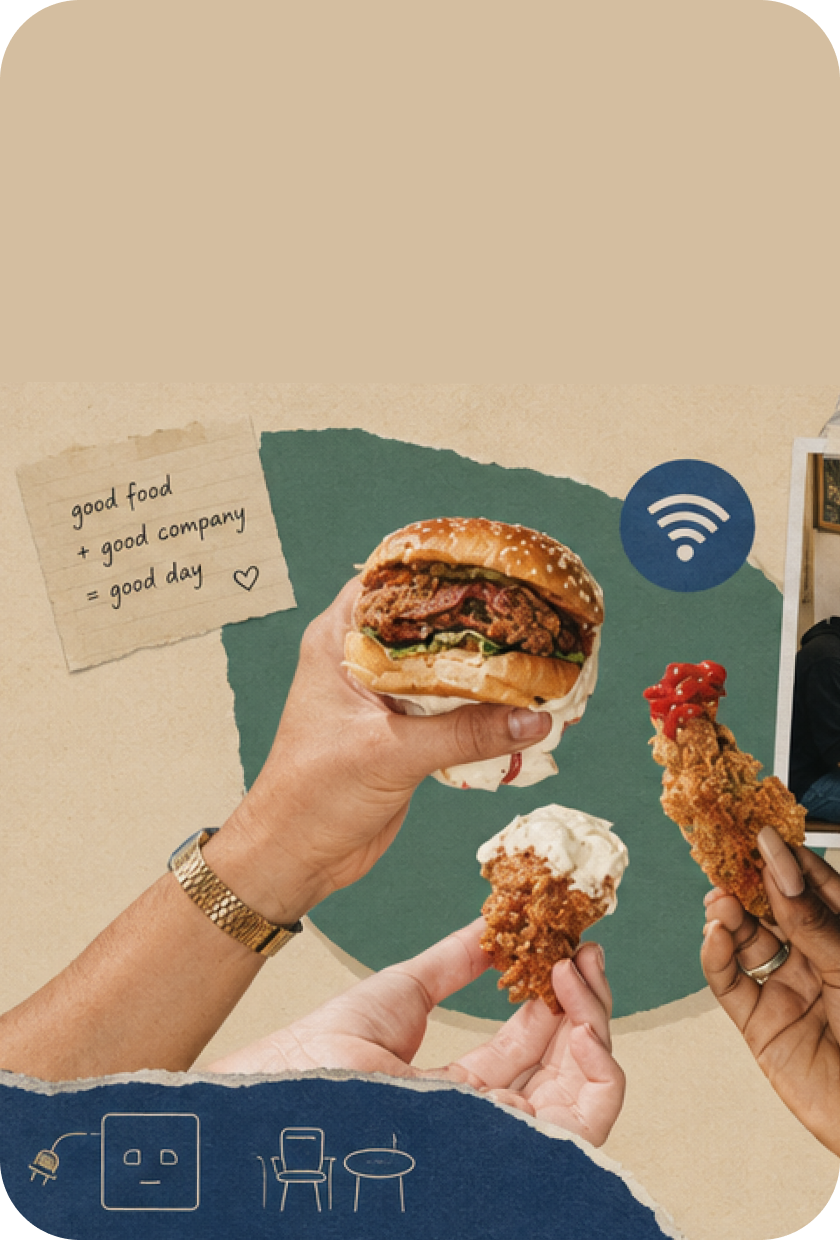
Occasions are mood- and routine-driven. Beyond taste and quality, ambience and room to linger without judgment turn outlets into informal third spaces.
Green flags
Loyalty is earned repeatedly, not fixed; brands stay ‘in’ only as long as they keep pace with culture.
Value-for-money is table stakes; real appreciation comes when affordability doesn’t cost personal style.
Memes, humour and unfiltered storytelling read as brands ‘getting’ Gen Z, not selling to them.
Size inclusivity, eco-conscious sourcing and sustainable packaging are shifting from nice-to-have to expected.
Red flags
Association through influencers transfers real trust, but only when they feel regionally relevant and genuinely embedded, not just paid reach.
Loyalty is won or lost in what happens after the sale: proactive communication and service recovery matter more than discounts, and are remembered longer.
Even effective broader marketing fails if Gen Z doesn’t see itself reflected in it; the ask is genuine inclusion, not just visibility.
Build for peer-group resonance — relatable, “us-coded” content spreads further than reach-optimised content.
Friction-free speed is baseline; pair it with reliability to build real loyalty.
Authentic influencer partnerships, self-aware humour and real language turn marketing into something Gen Z wants to be part of.
Give Gen Z tools or moments to express identity, not just a product to buy.
Core truths express differently by context — build one strategic core, let expression flex regionally.
How brands handle things going wrong matters more to loyalty than any upfront discount.