


Cities
Delhi, Mumbai & Bangalore
Guilt
A leading fast-food brand had built its equity on a clear promise: indulgent, fried food. But that same promise became a liability, with consumers increasingly viewing it as “a brand I feel guilty about purchasing from”. This association was also stronger compared to its closest competitors.
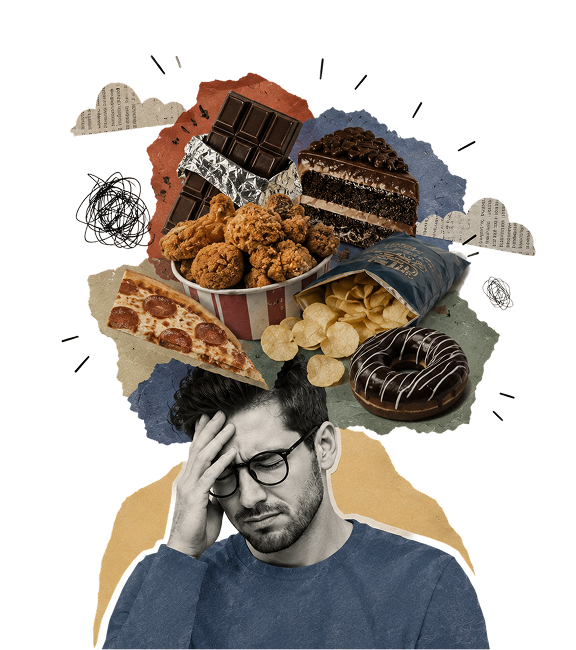
A study to understand how guilt operates in the mind of an indulgent-food consumer and how a brand identity can be built to own it.
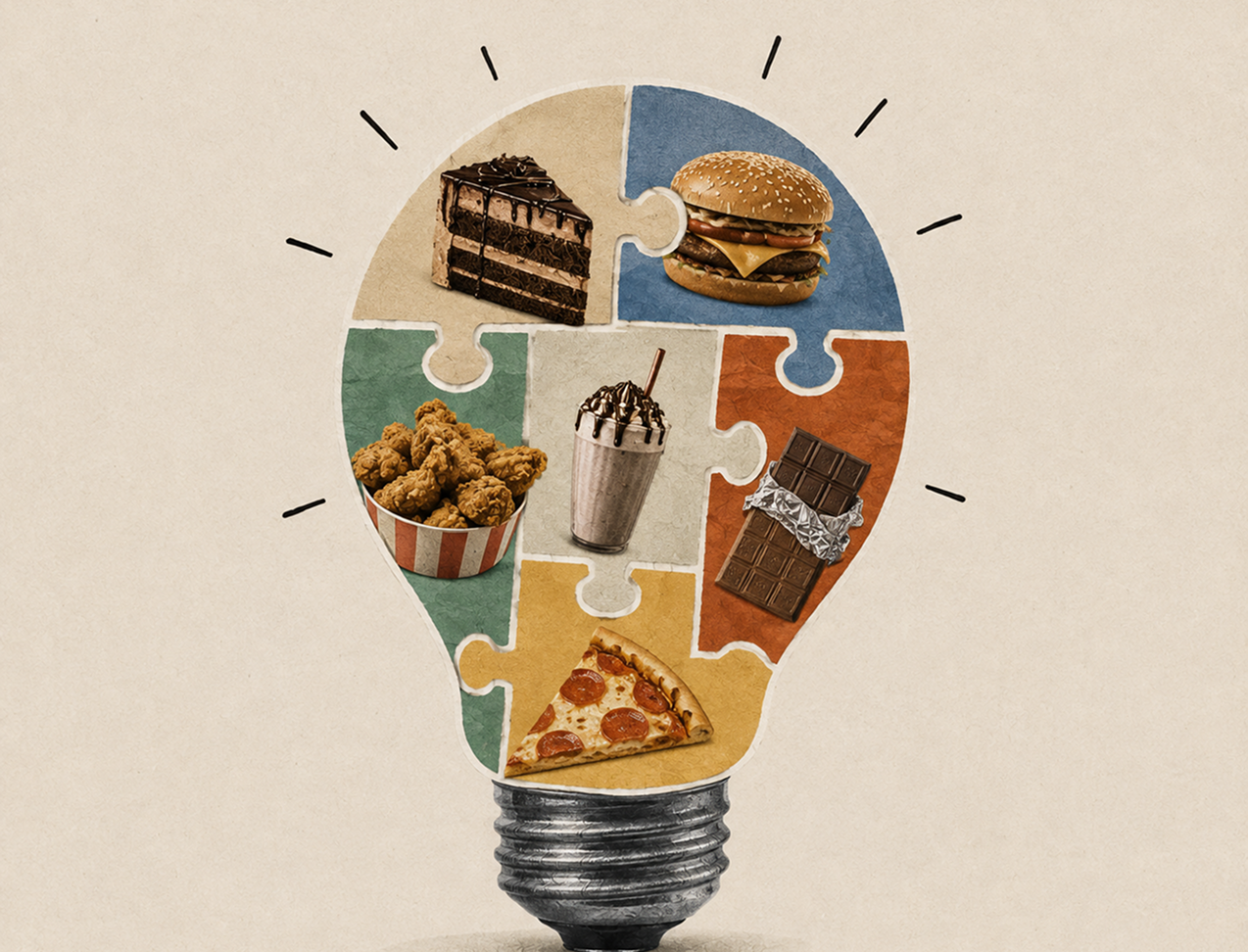
Delhi, Mumbai & Bangalore
Frequent fast food users / Fast food loyalists
Consumer Culture & Brand Identity / Strategy
F&B
Guilt is experienced across many aspects of life, but not all types are equally consequential. While guilt tied to family, responsibilities and unmet expectations feels deeply personal, indulgence sits at the bottom of the guilt hierarchy—making it the most acceptable compromise because its consequences are borne by the individual alone.
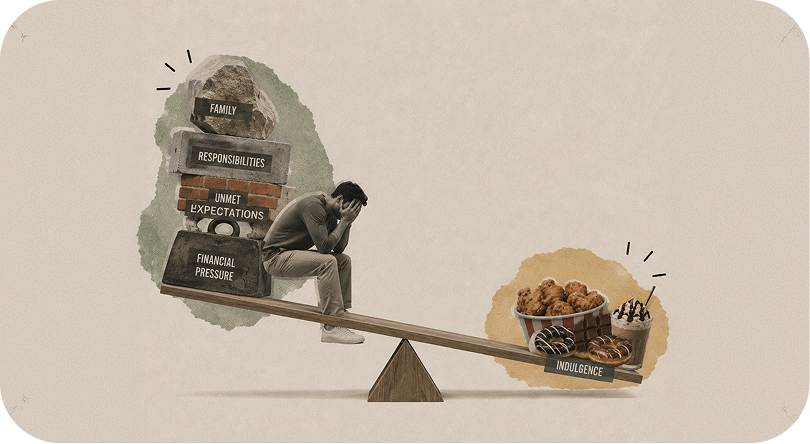
Indulgence isn't perceived as morally wrong but as an acceptable compromise. It acts as an emotional release valve. As a result, the emotional payoff often outweighs the perceived cost, making indulgence a guilt consumers willingly accept.
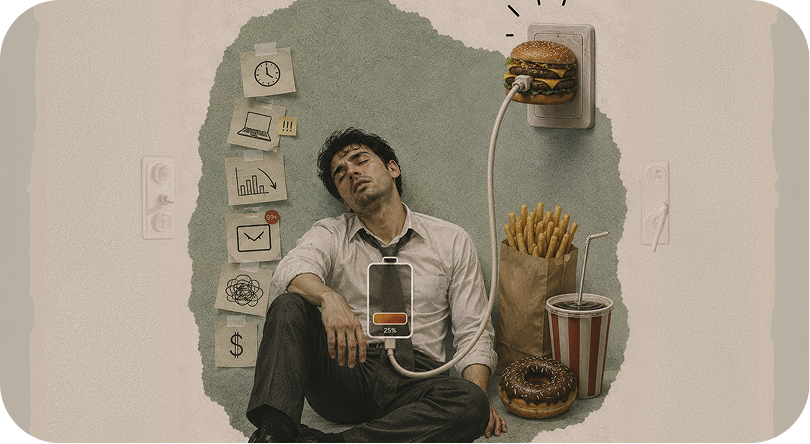
Rather than giving up indulgence, consumers create ways to justify it. They seek experiences that allow them to indulge without feeling judged.

The most meaningful brands do more than satisfy hunger. They provide a safe, non-judgemental space where consumers can momentarily escape pressure, routine and responsibility.

A brand's identity is shaped less by what it sells and more by the emotional role it plays in consumers' lives. Brands that consistently deliver comfort, familiarity and emotional reward evolve beyond products to become trusted rituals that symbolise indulgence without judgement.

The decision to indulge is rarely impulsive. It follows a predictable emotional journey where consumers consciously negotiate it through personal justifications that balance immediate emotional reward against future self-discipline.

Daily expectations, responsibilities and stress creates mental fatigue and a need for small moments of escape.

Indulgence becomes a reward for hard work, achievements or getting through demanding routines. Rather than feeling irresponsible, consumers frame it as something they deserve.

The consumption experience delivers pleasure and comfort and momentary escape. Emotional wellbeing often takes priority over perfect discipline, making guilt take the back seat.
Indulgence is often justified afterwards through balance, moderation, or future healthy behaviours.
Consumers develop stronger relationships with brands that understand the emotional role of indulgence. Beyond delivering a product, these brands create environments where consumers feel comfortable rewarding themselves without judgement.
They become permission-givers, turning moments of escape into lasting relationships.
Consumers don't need brands to deny indulgence; they need them to make indulgence feel emotionally justified.
Winning brands become associated with achievements, celebrations, stress relief and connection; not simply eating occasions.
Taste drives trial, but rituals, familiarity and emotional comfort drive long-term brand preference.
Consumers connect with brands that reflect how they want to feel, not just what they want to consume. By consistently expressing the emotional identity, communication can build stronger affinity, deeper relevance and more memorable brand associations beyond the product itself.



 Overwhelmed and tired
 Feels stuck in the same routine
 Burdened by responsibilities
 Looking for a break
 Provides a safe space
 A reward mechanism
 An emotional escape
 A trusted ritual
 Relief
 Comfort
 Connection
 Loyalty
 Brands build stronger identities not by removing guilt but by making indulgence feel worthwhile and accepted.